

PMK 71/2026 Takes Effect: 3 Tax Penalties That Cannot Be Waived or Reduced
November 3, 2026
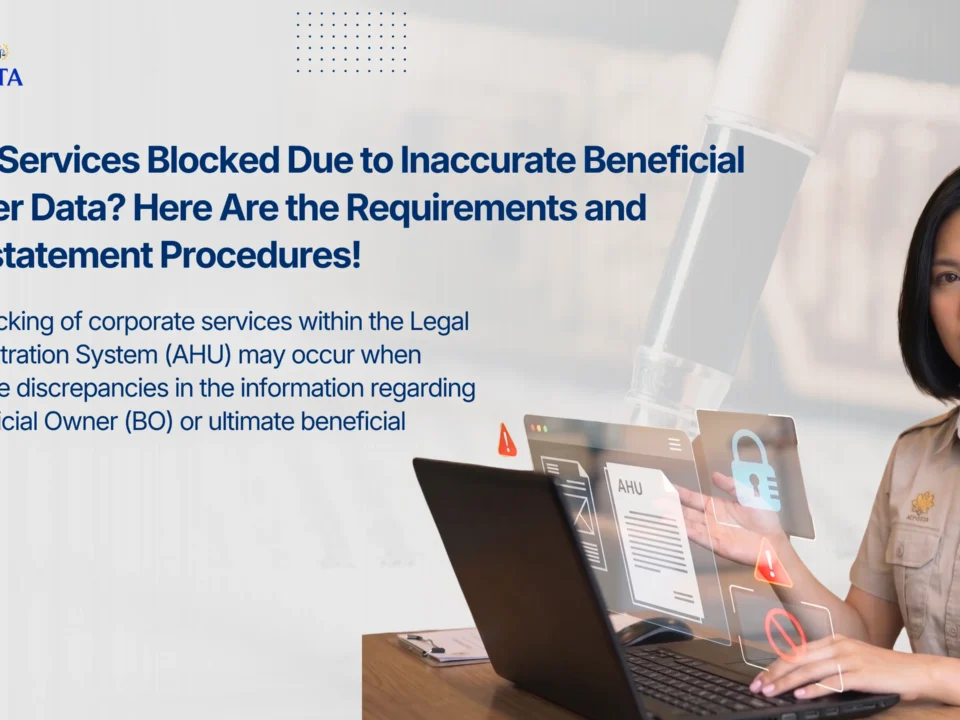
AHU Services Blocked Due to Inaccurate Beneficial Owner Data? Here Are the Requirements and Reinstatement Procedures!
November 10, 2026
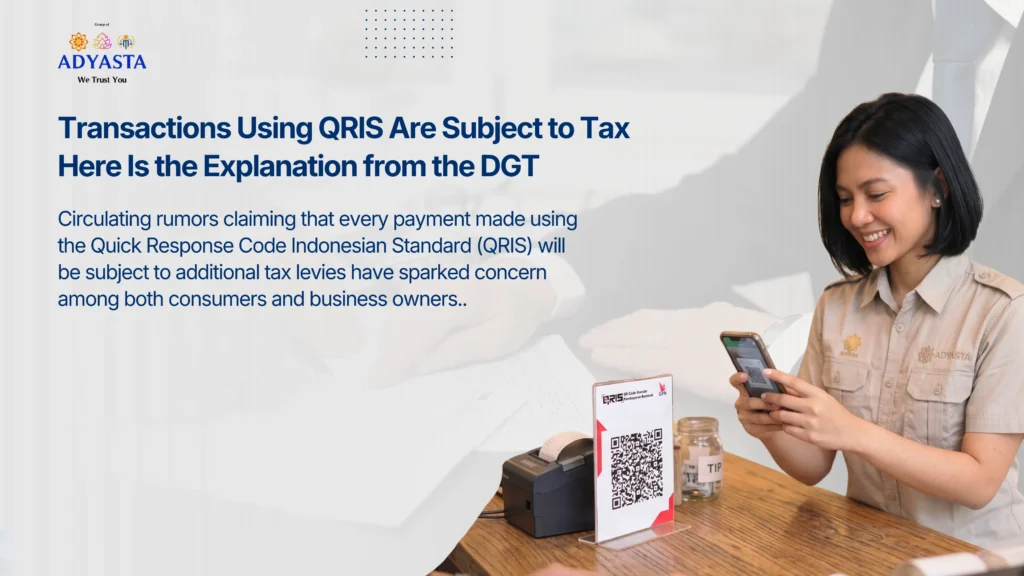
Circulating rumors claiming that every payment made using the Quick Response Code Indonesian Standard (QRIS) will be subject to additional tax levies have sparked concern among both consumers and business owners. Addressing these reports, the Directorate General of Taxes (DGT) issued a firm clarification following the enactment of Minister of Finance Regulation Number 49 of 2026 (PMK 49/2026), which governs the Tax Collection System on Foreign Digital Transactions (SPP-TDLN).
Through this official statement, the tax authority confirmed that domestic QRIS transaction services are not subject to any new tax under the SPP-TDLN scheme. This article breaks down the Value Added Tax (VAT) collection mechanism under the SPP-TDLN system and the actual tax treatment of transactions conducted via QRIS.
Regulatory Affirmation Under PMK 49/2026
The Directorate General of Taxes (DGT) emphasized that the implementation of SPP-TDLN under PMK 49/2026 does not introduce a new tax, but rather establishes a mechanism to collect VAT on the utilization of foreign digital transactions by consumers in Indonesia.
Having officially taken effect on September 25, 2026, this regulation defines a specific scope of taxable objects and does not regulate taxation on the use of QRIS as a payment method. Consequently, using QRIS as an everyday retail payment channel within the country does not automatically trigger VAT collection through the SPP-TDLN scheme.
3 Key Facts Regarding QRIS Transaction Taxes and the SPP-TDLN Scheme
Based on the DGT’s official clarification and the provisions under PMK 49/2026, there are 3 (three) crucial points that merchants and the general public must understand:
1. QRIS Transaction Services Are Not a VAT Object Under the SPP-TDLN System The DGT stressed that QRIS transaction services are not part of the Value Added Tax (VAT) objects collected through SPP-TDLN. The SPP-TDLN system is specifically designed as an administrative mechanism to collect VAT on the consumption of cross-border digital products and services, rather than a tax imposed on the QRIS payment instrument itself.
2. SPP-TDLN Tax Objects Strictly Target Foreign Digital Products and Services Under the SPP-TDLN scheme in effect since September 25, 2026, objects subject to VAT are strictly limited to Intangible Taxable Goods (BKP Tidak Berwujud) and/or Taxable Services (JKP) originating from abroad and utilized by consumers in Indonesia. This levy applies solely when cross-border digital products or services are utilized.
3. Domestic QRIS Transactions Are Not Automatically Subject to SPP-TDLN VAT When consumers use QRIS for domestic transactions—such as buying coffee at a local shop or shopping at a mall—those transactions are excluded from the VAT collection scheme under SPP-TDLN. PMK 49/2026 imposes no new taxes on the use of QRIS in domestic commercial activities.
Strategic Steps in Navigating Digital Tax Regulation Updates
The enactment of PMK 49/2026 and the implementation of the SPP-TDLN system serve as an important reminder for business entities and taxpayers to always verify tax information directly against official regulations. A clear understanding of the distinction between taxation on foreign digital product transactions and domestic payment transactions is essential to ensure business operations and corporate tax compliance run smoothly without misconception. If you or your company are facing challenges with tax compliance related to digital transactions, require an assessment of PMK 49/2026 implementation, or need legal and tax representation, ADYASTA Consulting is ready to assist you. Backed by over 15 years of experience and a dedicated team of Certified Tax Consultants and professional Lawyers, we are committed to delivering accurate legal and tax solutions tailored to your business.