



Progressive Fiscal Strategy: An Analysis of VAT Rate Increases on Premium Goods and Services to Boost State Revenue

New Tax Payment Deadline Schedule!
November 15, 2024
Data Entry in Coretax Now Uses NIK-NPWP Instead of NPWP
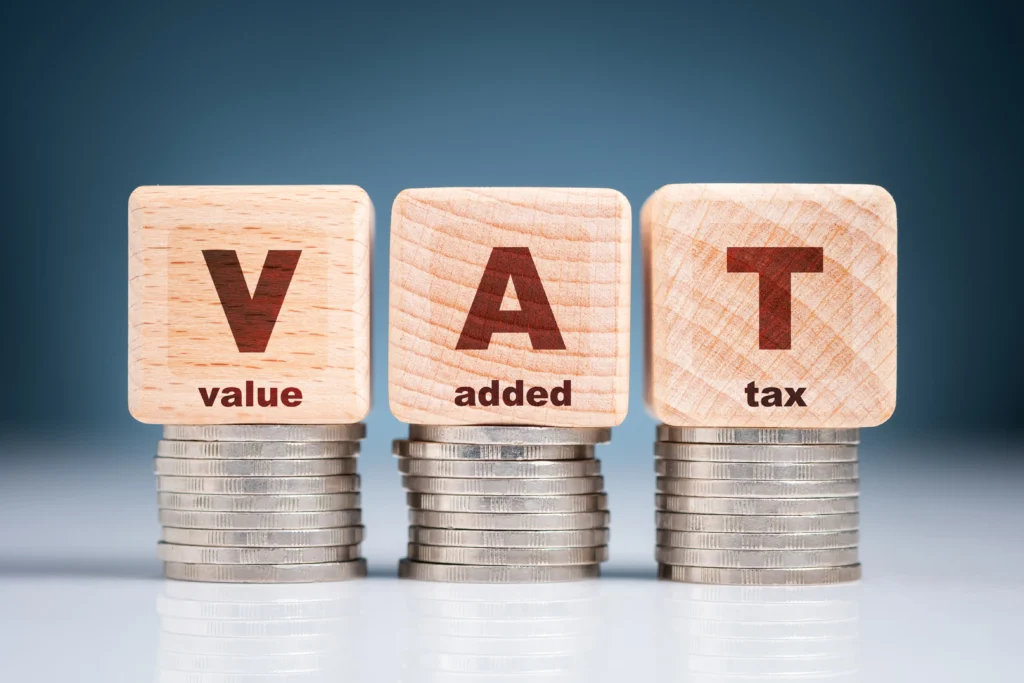
February 14, 2025Implementation of a 12% Value-Added Tax (VAT) Rate Increase on Premium Goods and Services: An In-Depth Analysis, The government’s decision to impose a 12% VAT rate on premium goods and services, such as wagyu beef and high-end education services, represents a strategy to boost state revenue while minimizing the impact on low-income communities. Below is a detailed analysis:
Premium goods and services refer to products and services considered high-value or high-quality, often targeted at consumers with significant purchasing power. Examples include:
1. Definition of Premium Goods and Services
- Wagyu Beef: Categorized as a luxury food item due to its price per kilogram being significantly higher than regular beef.
- High-End Education Services: Typically encompasses schools or universities with high tuition fees, offering international curricula and state-of-the-art facilities.
2. Why Are Premium Goods and Services Subject to Higher VAT?
- Enhancing State Revenue: Increasing VAT on premium goods and services creates a significant opportunity to boost tax revenue without burdening more vulnerable groups.
- Reducing Inequality: Premium goods consumers are generally high-income individuals, making this policy a fairer form of taxation.
- Limiting Luxury Consumption: Higher VAT rates can act as a disincentive to excessive consumption of non-essential luxury goods.
3. Impact on Premium Goods Consumers
- Price Increases: The cost of premium goods and services will rise, although this is unlikely to significantly affect the purchasing power of the targeted affluent consumer base.
- Potential Shift in Consumption Patterns: Consumers might opt for more affordable alternatives or reduce their purchase frequency.
4. Impact on Business Operators
- Administrative Adjustments: Businesses in the premium sector must promptly update their financial systems to reflect the new tax rate.
- Potential Decline in Demand: A temporary drop in consumption may occur as consumers adapt to the higher prices.
5. Policies to Protect the General Public
This measure is balanced by exempting essential goods, such as basic food items, from VAT. This ensures that low-income communities are not adversely affected by the policy.
6. Policy Evaluation
The government will continuously evaluate this policy to ensure:
- It does not trigger negative ripple effects on other sectors.
- Its implementation remains equitable across all societal strata.
Conclusion
The increase in VAT rates on premium goods and services is a strategic fiscal policy with significant potential to enhance state revenue. This initiative reflects the government’s commitment to creating a progressive taxation system, ensuring that those with greater means contribute more significantly to national development.
Related posts
October 16, 2026
October 14, 2026
October 13, 2026